The situation for electric bikes is deteriorating in this country neighboring France.
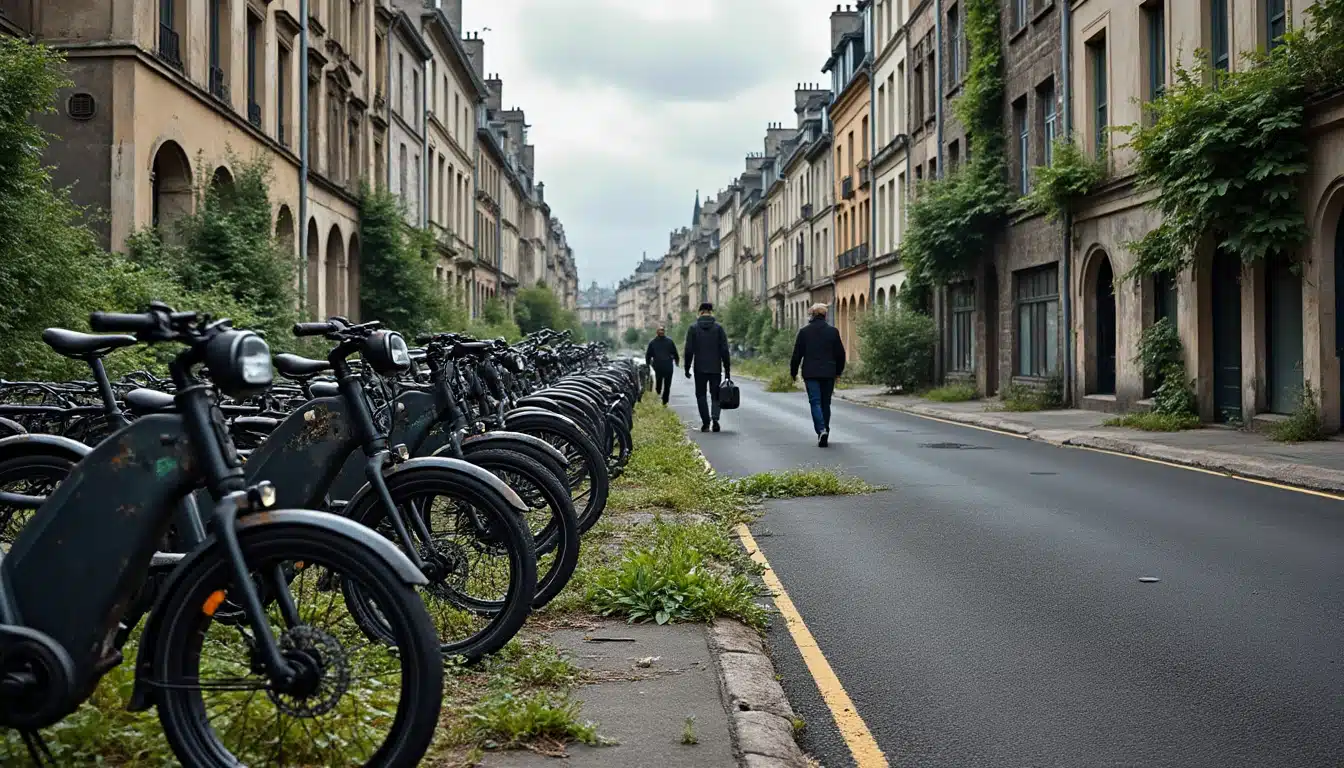
In a context where e-bikes are perceived as an environmentally friendly and practical solution for urban mobility, worrying signs are emerging regarding the situation in some countries, particularly Switzerland. At a time when the e-bike market experienced impressive growth, recent indicators suggest an unsuccessful slowdown, raising questions about the future of this transportation alternative. This tension is manifested by a significant drop in sales and concerns about safety and cycling infrastructure. In a quest to understand this dynamic, it is essential to explore the underlying reasons, as well as the repercussions of such trends.
E-bike sales decline in Switzerland
Recent figures from Switzerland reveal a real stagnation in the e-bike market. In 2024, deliveries fell by 12%, totaling approximately 151,772 units, according to data provided by the Swiss Association of Bicycle Suppliers. This decline is not isolated: mechanical bicycles are also experiencing a downturn, with a decrease of 15% , reaching189,370 units .Discover how the situation for electric bicycles is evolving negatively in this country neighboring France. Analysis of the issues, challenges, and prospects for the future of sustainable mobility. These figures highlight a worrying trend that goes far beyond a simple seasonal fluctuation. The consumer environment in Switzerland has been impacted by several factors. Among these is a certain market saturation. After exceptional growth rates observed between 2020 and 2022, the sector is facing a phase ofconsolidation
Contributing factors to the market contraction: Market saturation.A cooling of consumer sentiment.
- Unfavorable weather conditions.
- Impact on sales categories
- It is interesting to note that not all categories of electric bikes are affected equally.
- Electric city bikes
recorded the sharpest decline, with a drop of
13% . Conversely, some segments showed strong growth rates. For example, electric road bikes saw their popularity increase by27% , as did cargo bikes , which experienced a rise of24% .Bike category Sales change (%) in 2024City bikes
| -13 | Road bikes |
|---|---|
| +27 | Cargo bikes |
| +24 | Electric mountain bikes (eMTBs) |
| -10 | Speed bikes |
| -21 | Safety and infrastructure issues |
| Concerns about cyclist safety could explain some of the observed declines, particularly for city bikes. Velosuisse | points out that Switzerland appears to be lagging behind its neighbors in terms of road safety for cyclists. While standards are imposed for equipment, such as mandatory daytime running lights, the lack of enforcement of overtaking rules, like the minimum distance of |
1.5 meters
when passing a cyclist, could hinder everyday use. Safety factors to consider: Inadequate lighting standards. Lack of respect for traffic rules.
- Limited or dangerous cycling infrastructure.
- Cyclists’ expectations and market responses
- Faced with these challenges, the e-bike sector must not only meet user expectations but also anticipate evolving trends. At the heart of this dynamic, brands must ask themselves: how can they encourage wider adoption of e-bikes, particularly those intended for urban use? The answer lies partly in improving cycling infrastructure and promoting initiatives that enhance safety.
Sur le meme sujet

https://www.youtube.com/watch?v=BKefpN0LPhA
Adopting the German model of
is a viable option. This innovative system allows employees to rent their bikes directly through their employers. Such an initiative could facilitate public access to professional e-bikes while contributing to the development of a cycling culture. Recommended initiatives to stimulate the market:
- Development of safe cycling infrastructure.
- Attractive promotions for city bikes.
- Implementation of rental programs through companies.
Impact on Major Bicycle Brands
Another key point to consider concerns the influence of major brands on this dynamic. Between Decathlon, Moustache Bikes, Peugeot Cycles, and others, the development and promotion of models adapted to urban needs are crucial. These major brands have the ability to shape market conditions through their innovation. In 2025, some of these companies, such as Brompton and Breezer, are also navigating turbulent waters, as they must juggle changing consumer demands while offering excellent products. For example, the presence of luxury models versus more affordable versions can make all the difference in consumer appeal.Brand Type of bicycles offeredMarket strategy DecathlonCity bikes, Mountain bikes
Competitive pricing Moustache Bikes City Bikes, Road Bikes Innovation and DesignPeugeot Cycles
| City Bikes, Electric Bikes | Tradition and Modernity | Brompton |
|---|---|---|
| Folding Bikes | Urban Mobility | Breezer |
| City Bikes | Durability and Comfort | Consequences of Market Fluctuations for Consumers |
| The market fluctuations caused by this contraction in electric bike sales are not only affecting manufacturers. Consumers are also on the front lines. With declining sales, expectations regarding price and availability can play a decisive role in the decision to purchase an electric bike. | Discover the growing challenges facing the use of electric bikes in this country neighboring France. Analysis of trends, environmental impacts, and potential solutions to revitalize sustainable mobility. | |
| Consumers are often attracted by | promotions | . Thus, increased competition could lead to significant discounts on certain models, making electric bikes more accessible to households on a budget. However, such a practice can raise questions about the long-term viability of companies whose profit margins risk shrinking. |
| Concrete impacts on consumers: | Attractive promotions to boost sales. |
Sur le meme sujet

Flucrative model availability.
Potential concerns about the quality of low-priced products.
Faced with these uncertainties, consumers could consider several strategies to navigate the turbulent e-bike market. Making informed choices about brands, researching financing options, and exploring bundled offers with local businesses or subsidy programs could provide a solution. Furthermore, integrating education on the use and maintenance of e-bikes into communities could increase adoption of this mode of transport. Workshops, events, or even online courses could raise awareness among users and ensure a smooth transition to e-bikes as part of sustainable mobility.The e-bike landscape in Switzerland, as in other parts of Europe, is constantly evolving. Meeting consumer needs while preserving the safety and sustainability of infrastructure will be a major challenge in the coming years.
- https://www.youtube.com/watch?v=VfPD36aq-Cs













Post Comment